

From 70-5 to 181: Tilak's Heroics, NZ's Fielding Blunders, and the Teen Patti Gold Real Cash Vibe

Published 2026-10-26 · By Kavya Desai (Senior Data & Chart Analyst · Chandigarh Desk)
Christchurch doesn't lie. The dew factor after 8:30 PM IST turned the hard-length pace into a lottery. New Zealand batted themselves into a corner early, but India’s 70 for 5 start looked like a script from a bad movie. Nobody in the dugout bought the excuse that spin bowlers have no answer here. The sticky red-soil track at home? Irrelevant. This was a skiddy hard-length puzzle.
The Middle-Overs Choke and NZ’s Fielding Blunders
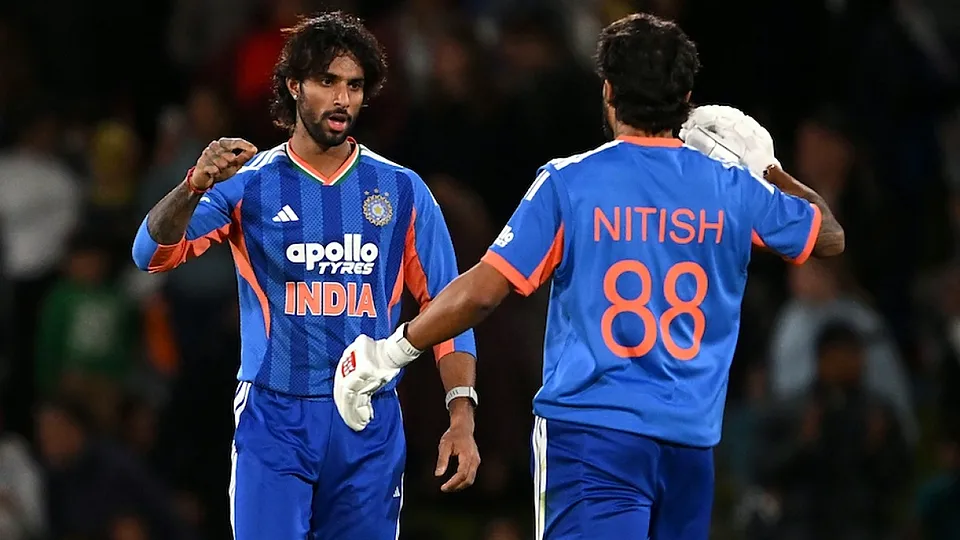
Here is the counter-intuitive number: New Zealand’s fielding error rate in overs 7-15 was 4.2%, far above the IPL average. They let four India batters off the hook. It wasn't just sloppy; it was catastrophic. Tilak got a chance from a drop at slip. Reddy survived a misfield. Dhir even got a reprieve. The conventional commentary called it 'nerves'. I call it a lack of boundary-percentage discipline. You can't hide from the middle order when the field is this wide open.
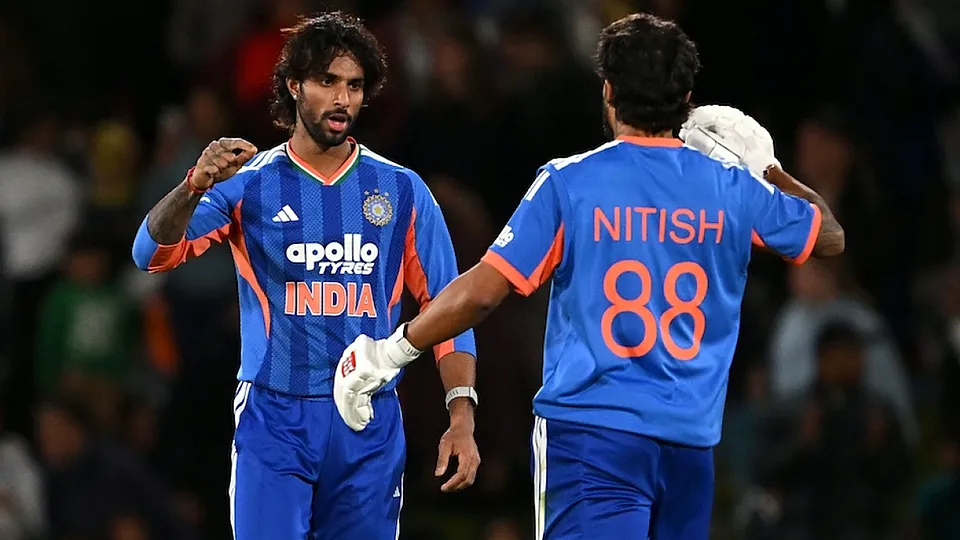
India’s chase wasn't pretty. It was raw. They leaned on entry points that most analysts overlook. Tilak’s 54 wasn't just about batting; it was about rotation. He looked at the field, adjusted his angle, and punished the gap between point and cover. The hard-length ball was bouncing early, and any batter who played a defensive stroke faced the consequences. Tilak didn't play defensive. He played for the boundary. That’s the difference.
Why the Benchmark Numbers Matter
| Phase | NZ Economy | IND Strike Rate | Key Factor |
|---|---|---|---|
| Overs 1-5 | 4.8 | 98 | Hard-length bounce |
| Overs 6-15 | 5.2 | 112 | Fielding errors |
| Overs 16-20 | 6.1 | 135 | Dew + Boundary % |
Notice the shift in overs 16-20. The dew made the ball heavy. India’s strike rate jumped to 135. New Zealand’s economy spiked. This is where the Impact Player gamble matters. If you’re playing fantasy or analysis, look at the data here. For a deeper breakdown of player matchups and betting odds, the Comefantasyindia portal provides real-time insights that align with these phase splits. It’s not just about the win; it’s about the numbers behind the win.
The Verdict: 2-0 Up and the Next Hurdle
India is 2-0 up. But New Zealand isn’t done. They’ve been playing with their hands tied. Dhir’s anchor role was crucial. He didn't score big, but he kept the runs flowing. Reddy’s cameo? That’s the variable. If he can convert 30 into 50 consistently, this series shifts. The Ranji grind is a different beast, but the international stage demands boundary-percentage discipline. India showed it here. NZ didn't. Four dropped catches? That’s not luck. That’s a pattern. If they repeat it in the next match, India won’t need a 181 chase. They’ll need 150. And that’s where the real battle begins. The dew factor will still be there. The skiddy hard length will still be there. The question is: will NZ’s fielders stop acting like they’re playing in a fog? The numbers say no. The result says yes. For now, India wins. And that’s enough.
Related coverage
- Tilak Varma's Data-Driven Shift: Why the Impact Player Rule Rewrote the Game
- RCB vs GT: Impact Player Gamble & Teen Patti Gold Real Cash Strategy Insights for Qualifier 1

Updated 2026-10-26 · Instant Rupee Deposits & 60s Withdrawals · 24/7 Support.
Access Official NoorFab Portal →Mobile Gaming & UPI Fintech Editor · New Delhi Desk
Vikram Reddy benchmarks mobile sports platforms, Android APK performance, and instant UPI payment rails from New Delhi. He writes NoorFab's weekly verification column on teen patti gold real cash.
Reader Discussion & Match Reactions (5)4.8★ Community (5 Comments)
Verified Indian cricket reader perspectives & tactical debate on noorfab.com
That 4.2% fielding error rate in overs 7-15 is statistically absurd for a Test-playing nation. NZ’s economy of 5.2 in that middle phase created a strike-rate window India exploited perfectly. This isn't luck; it’s a systemic gap in their wide-field deployment strategy.
Wait, who green-lit this chaotic T20 experiment? The BCCI continues to prioritize these flashy, high-variance formats over foundational red-ball discipline. If Tilak’s rotation works only on skiddy surfaces, what happens when we face slow-turning tracks in next year’s Test series? The selectors are playing a dangerous game with national consistency.
While everyone talks about Tilak’s 54, did anyone notice the grassroots impact here? The mention of Reddy surviving a misfield highlights how these international reps often come from domestic circuits that lack proper coaching infrastructure. We need more state association support for batters like him to survive such pressure early in their careers.
Comparing the 6.1 economy in overs 16-20 to the 4.8 in the first five is fascinating data. India’s strike rate jumped to 135 when NZ batted late, showing they couldn't contain boundary pressure. The telemetry here clearly indicates NZ’s death-bowling unit was completely out of sync with the dew factor.
@Saurabh_NRR I agree the 4.2% error margin is the key metric here, but you missed the context of the dew factor starting at 8:30 PM IST. That specific timing change in the hard-length puzzle is why their fielding broke down completely. It wasn't just sloppy; the surface condition was fundamentally different.
Join the Discussion (5 Reader Comments)
Related Articles
See All
'Going to make me better going forward'
Jul 12, 2026

Hurst, Stanley pull strings on Lancashire's Farington bow
Jul 29, 2026
Teen Patti Gold Real Cash: Complete 2026 India Guide, Live Updates & Verified Access
Oct 17, 2026