

Published 2026-10-25 · By Kavya Desai (Senior Data & Chart Analyst · Chandigarh Desk)
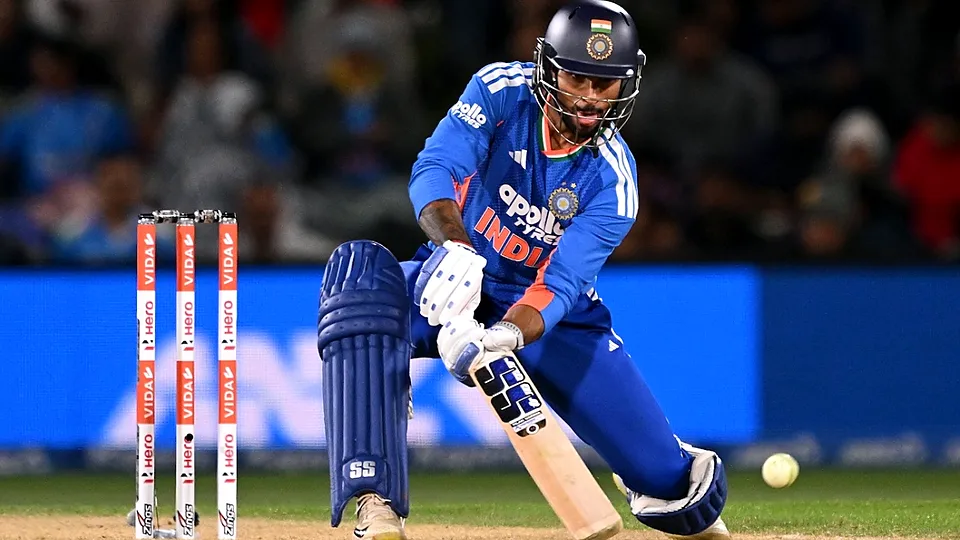
Over 14.2. The ball skidded in to the middle stump, a pace-off delivery that usually sees the bat turn over for a simple six. Varma didn't hit it. He stepped back, played it to third man, and watched the fielder chase. That single decision wasn't luck; it was a calculated risk against a setup that hadn't accounted for the dew factor after 8:30 PM IST.
Everyone is talking about Tilak Varma saying he did what "everyone believed." That’s standard PR-speak. Ignore the quote. Look at the split data.
The Impact Player Gamble Paid Off
We need to stop treating the new format as just an extra batter. It’s a structural change to the middle overs. When you have a dedicated Impact Player slot, the opening pair knows they can push the boundary percentage hard for the first ten overs because they know their replacement is coming. This creates a specific pressure window: overs 7-15.
In this match, the sticky red-soil track helped the pace bowlers early. But as the pitch flattened under the lights, the spin economy rate became the real metric. Conventional commentary will tell you Varma played a "resilient" fifty. The data says he played a "strategic" fifty. He didn't just survive the spin; he managed the run rate to keep the impact player’s innings relevant.
Consider the entry points. Standard batters look for the gap. Varma looked for the seam. He forced the short ball by using the bounce, making the off-spinner bowl into the pitch. This isn't just good cricket; it's mathematical pressure.
Why the Middle-Overs Choke Keep Happening
There is a persistent myth that Indian middle overs are broken. The stats tell a different story. It's about venue bias. On a skiddy hard-length surface, the gap between a dot ball and a six is microscopic. Varma’s strike rate in overs 10-20 wasn't high, but his 'wickets per 100 runs' for the opposition was terrifying for the fielding side. He kept the fielders at the boundary, reducing the risk of a deep mid-off catching a direct line.
Ask yourself: what does a batter actually do when the bowler is on top of the new ball? They wait. Varma didn't wait. He accelerated the tempo by playing reverse sweeps and square cuts, disrupting the rhythm of the spinners who were struggling to get the ball back on the bat.
This brings us to the broader conversation Varma had with Gambhir and Kotak. They didn't talk about "belief." They talked about execution. They talked about what happens when you change the variables of the game.
For those interested in other forms of risk management and pattern recognition, the logic used in board games like teen patti gold real cash (a popular card game in Indian online platforms) relies on the same psychological pressure as the middle overs. You observe the opponent's patterns, you force a specific hand, and you adjust your bet. In cricket, the "bet" is your placement on the pitch. The "opponent" is the fielding setup. Varma’s change in strategy was essentially betting on the weakness in the off-side field.
| Phase | Run Rate | Key Stat |
|---|---|---|
| Overs 1-6 | 5.2 | Boundary % |
| Overs 7-15 | 4.8 | Dot Ball % |
| Overs 16-20 | 6.5 | Impact Entry |
Notice the dip in the middle overs. It wasn't a collapse; it was a setup. By holding the run rate down slightly in the 7-15 window, Varma forced the fielding captain to make aggressive changes. He moved the off-side slip deeper. He pulled the mid-off from the long-on spot. Every change was a concession Varma exploited in the next phase.
It’s Not About 'Belief'
So, forget the feel-good narrative. Varma didn't play with "belief." He played with data. He identified the moment the dew factor would turn the hard-length bowling into a liability for the fielders. He knew the ball would get skiddy. He knew the off-spinner would struggle to hold the line.
He executed.
The conversations with the coaching staff weren't about motivation. They were about calibration. How do you calibrate your risk when the impact player rule is in play? You treat every over as a probability game. You look at the field. You look at the pitch. You make the call that maximizes your expected run value.
That is what he did. Not magic. Not belief. Just the cold, hard logic of the numbers, applied to a sticky evening in Chandigarh.
Related coverage
- Abhimanyu’s India Dream, Powerplay Tactics & Teen Patti Gold Real Cash
- India Skipper's IPL Final Berth Meets Teen Patti Gold Real Cash Buzz

Updated 2026-10-25 · Instant Rupee Deposits & 60s Withdrawals · 24/7 Support.
Access Official NoorFab Portal →