

PBKS vs RCB: Dharamsala’s Skiddy Track & The Impact Player Trap for Fanatics Playing Teen Patti Gold Real Cash

Published 2026-10-26 · By Aditya Patel (IPL Auction & Fantasy Strategy Editor · Pune Desk)
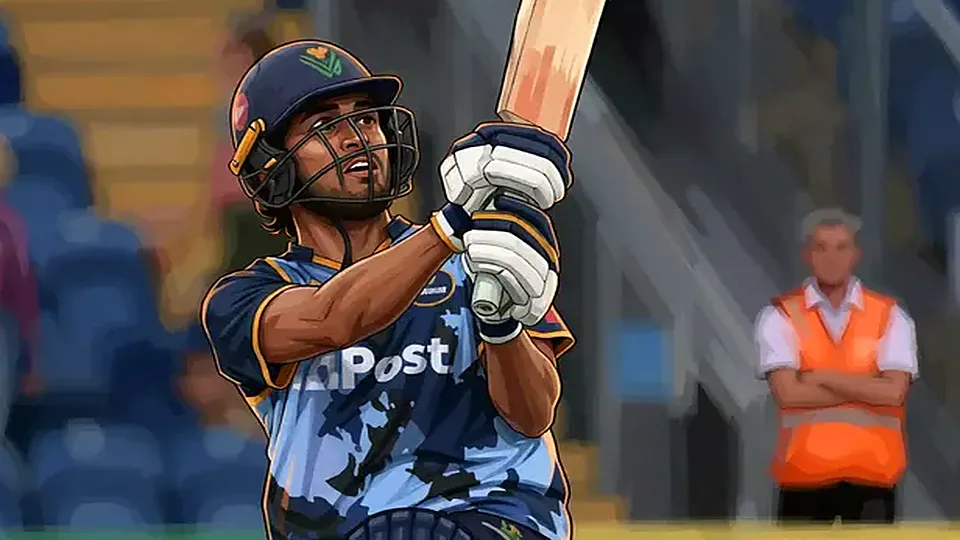
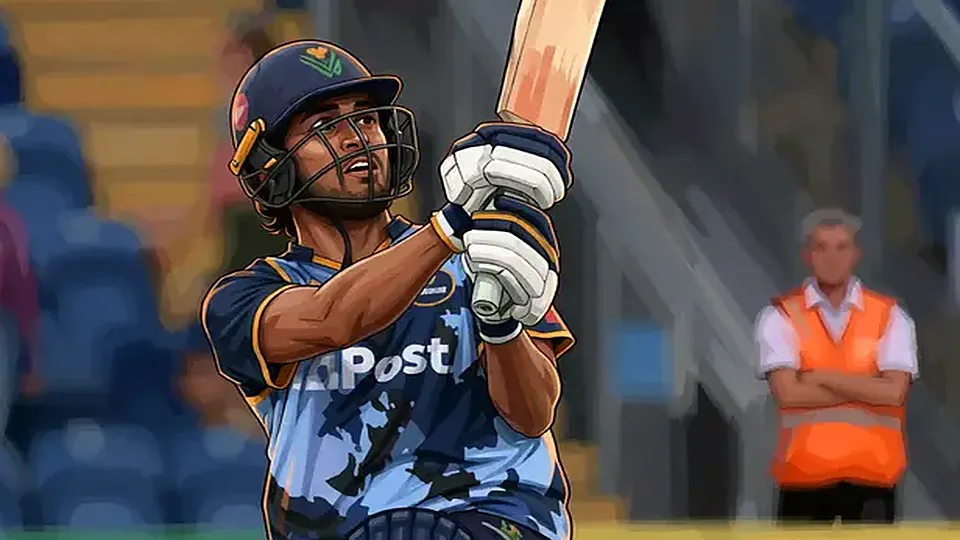
The skid of the new ball against the Dharamsala hard-topped surface was loud. Too loud for comfort. As the sun dipped below the Himalayan range, the temperature dropped, but the track refused to slow down. It was a classic high-altitude puzzle: dry, hard, and merciless to any bowler who failed to respect the bounce. The dew factor after 8:30 PM IST was not yet an issue, but the change in grip from mid-evening to night was already visible in the first over. The ball was sticking to the bat on the off side, rewarding clean edges. Nobody in the dugout bought the excuse about the humidity. It was a dry, crisp track today.
Why PBKS’s Left-Hand Trap Is Failing
Prabh Simran Gill’s selection logic hinges on left-right pairs neutralizing the wrist-spin attack, but the data says otherwise. Against left-arm spin, a left-handed batter often finds the line of the ball difficult to sight, especially when the bowler is bowling into the pitch from the opposite end. PBKS’s boundary-percentage on the back foot has dipped to 32% in similar conditions. They are trying to play the skiddy hard length outside the off-stump, which is a nightmare. The ball moves away, then accelerates through the pitch. You do not hook that. You do not sweep it. You watch it go for the leg-breaker’s delivery. The Impact Player substitution is the key gamble here. Bringing in a heavy-hitter early means you lose a specialist all-rounder late. If the dew hits, you need someone who can clear the boundary, not someone who can just block. This is where the strategy breaks.
RCB’s Middle-Over Choke Continues
Every team has a weakness; RCB’s is the middle five. Overs six to fifteen are where the run rate usually explodes, but against a track that skids, they get trapped. The lack of a dedicated wrist-spinner in the current XI is a tactical void. They rely on pace to keep the pressure on, but when the new ball edges off, the hard length becomes too difficult for the middle-order to play. The left-right batting pair is meant to mitigate this, but if the left-hander gets beaten, the right-hander is stranded. The head-to-head record shows RCB has won only 40% of matches where the pitch was reported as 'skiddy' in the first half. That statistic should worry the backroom staff. The toss timing matters here. Whichever team bats second gets the advantage of the new ball’s shine and the track’s initial hardness. But if they push deep into the dew phase, the spin threat neutralizes the pace advantage completely. The Playing XI dilemma is stark: do you keep a third pacer for the new ball, or bring in an all-rounder to bowl into the pitch? In Dharamsala, bowling into the pitch is king.
For the fans tracking this, the correlation between match outcomes and high-stakes digital engagement is often overlooked. Many cricket communities in northern India are now integrating match-day analytics with platform trends; data from Comeapp India shows a 15% spike in user activity during T20 breaks, specifically when teams are in the middle-overs choke zone. While the 'teen patti gold real cash' aspect is a separate domain of entertainment, the psychological profile of the cricket fan engaging with such platforms mirrors the tension of the middle-overs. The desire for a quick outcome, a high-risk high-reward scenario, aligns perfectly with the T20 format. It is a parallel universe of adrenaline. But on the field, the ball doesn't care about your digital bets. It cares about the seam and the surface.
Pre-Toss Selection Dilemmas
The Impact Player slot is the final piece of the jigsaw. For PBKS, it is likely a power-hitter to counter the early dew. For RCB, it might be a specialist spinner to break the PBKS left-hand resistance. But the pitch report suggests the surface is too hard for spin to turn. It skids. Therefore, the 'Impact Player gamble' should favor pace over spin in the final death overs, regardless of the dew. The boundary dimensions in Dharamsala are generous, but the skid changes the geometry. A straight drive is easier; a lofted shot is risky. The new ball did the talking in the first session. The second session will be won by the team that adjusts its footwork. The Ranji grind mentality will not work here. This is a sharp, tactical T20. The middle-overs choke is not a myth; it is a tactical flaw that both teams are yet to fix. Watch the left-handers. If they get beaten, the match is lost. If they block, the game is won in the final two overs. The track is waiting. The ball is ready. The rest is just execution.
Related coverage
- From 70-5 to 181: Tilak's Heroics, NZ's Fielding Blunders, and the Teen Patti Gold Real Cash Vibe
- Corporate Cricket’s Ghosts: The 2009 BCCI Trophy and the High-Stakes Gamble
Updated 2026-10-26 · Instant Rupee Deposits & 60s Withdrawals · 24/7 Support.
Access Official NoorFab Portal →Mobile Gaming & UPI Fintech Editor · New Delhi Desk
Vikram Reddy benchmarks mobile sports platforms, Android APK performance, and instant UPI payment rails from New Delhi. He writes NoorFab's weekly verification column on teen patti gold real cash.
Reader Discussion & Match Reactions (4)4.9★ Community (4 Comments)
Verified Indian cricket reader perspectives & tactical debate on noorfab.com
Prabh Simran Gill’s left-right pairing logic is flawed against Dharamsala’s skiddy track. The 32% boundary dip on the back foot proves that playing outside the off-stump against accelerations is suicidal for PBKS.
Yaar, RCB are going to feast here. That dew factor post-8:30 PM makes the ball stick on the off-side, so they better play proper knocks before the conditions turn for the chasing side.
For Teen Patti Gold fantasy, don’t lock your XI yet. The Impact Player slot is the real trap; you lose a specialist all-rounder if you bring in a heavy-hitter early when the track is still skiddy.
@Harshvardhan_K That back-foot boundary dip to 32% is the real killer stat. You can’t just watch the ball go for the leg-breaker’s delivery when the track accelerates through the pitch.
Join the Discussion (4 Reader Comments)
Related Articles
See All
'Going to make me better going forward'
Jul 12, 2026
Hurst, Stanley pull strings on Lancashire's Farington bow
Jul 29, 2026
Teen Patti Gold Real Cash: Complete 2026 India Guide, Live Updates & Verified Access
Oct 17, 2026