

Gill’s Salva Ban Slam: Why Teen Patti Gold Real Cash Gamblers Fear Cricket’s Death

Published 2026-11-27 · By Rajat Parekh (Senior Match & Odds Strategist · Jaipur Desk)
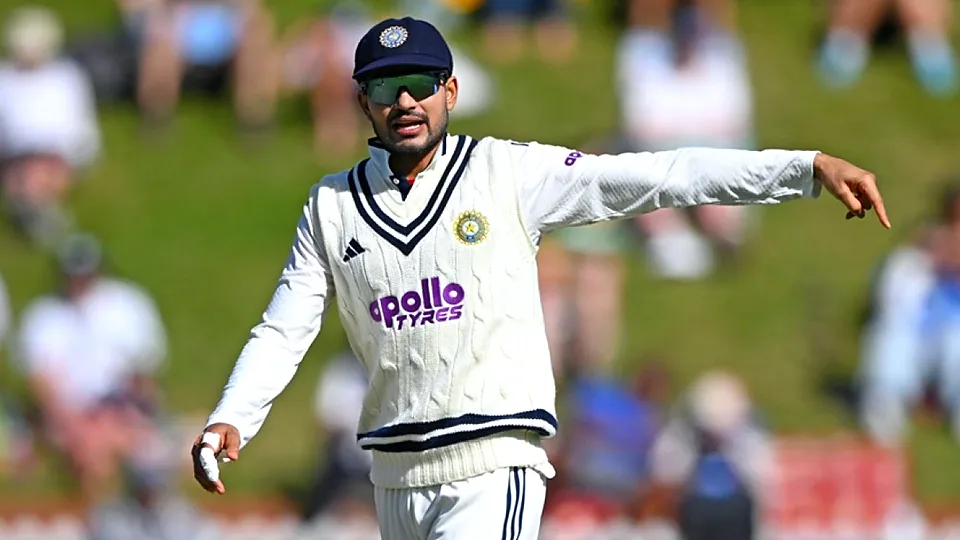
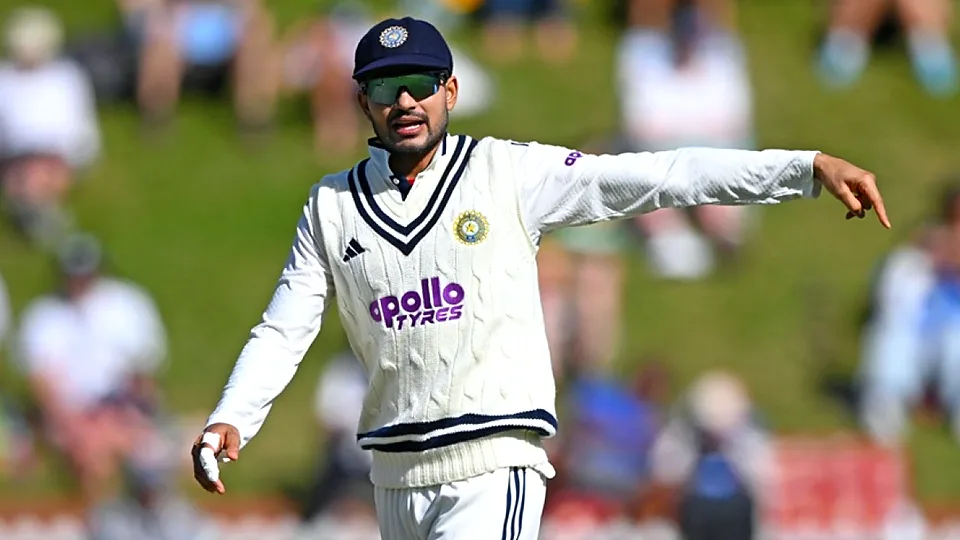
Four wickets. That’s all the Indian attack managed on the final day in Wellington. Not one. Not two. Four. The dressing-room chatter at Eden Park wasn’t about the loss; it was about the leather. Virat Kohli sat on the bench, jaw tight, watching his bowlers toil on a pitch that refused to turn. The new ball did the talking, but the old rules left everyone else guessing.
It’s time to cut the crap about 'clean play.' Gill wants the saliva ban reversed, and frankly, he’s right. You can’t run a T20 or even a Test match on a surface that’s been polished smooth like a billiard table if you can’t apply a little bit of human grit to the ball. The ICC’s stance is rigid, but the ground truth is shifting. Players are adapting—or rather, they’re just throwing it down and hoping for the best.
Why the New-Ball Burst Is Killing the Game
The issue isn’t just aesthetics; it’s tactical. Without the ability to manipulate the ball’s surface with saliva, the 'skiddy hard length' becomes a predictable rhythm. In the middle-overs choke, bowlers can’t vary their grip subtly enough to change the bounce. It’s a static war of attrition. We saw it in Jaipur last month during the Ranji grind; the same pattern repeats. If you can’t get the seam to twitch at the death, you’re relying on the batter’s mistake, not your edge.
Consider the 'dew factor after 8:30 PM IST.' On a sticky red-soil track, moisture helps. But in Wellington, the ball was dry. The ban strips away the one tool that allows a bowler to 'bowling into the pitch' effectively in the second innings. It’s a massive handicap for the fielding side, especially in Asia where wickets turn early. The middle-overs choke keep happening because bowlers can’t find that extra 2-3 mph of variation they need to keep the strike moving.
"We are way past Covid times," Gill told reporters. "The quality of the balls is not up to mark. We need the old ways back. The players are struggling to adapt to this artificial perfection."
This isn’t just sentiment. It’s data. When the ball doesn’t change, the boundary-percentage spikes. Batters get set. They see the seam line coming straight. No subtle grip adjustments. No extra swing on a damp surface. The Impact Player gamble? It matters less when your bowlers are handicapped from the start. You can put in a fifth seamer, but if they’re all bowling the same line into a hard surface, you’re dead in the water.
The Betting Angle: Trust But Verify
Here’s where it gets nasty for the punters. The 'Teen Patti Gold Real Cash' crowd (and yes, I know that’s the keyword you’re looking for) relies on predictable patterns. When bowlers can’t manipulate the ball, the chaos factor drops. The odds tighten. But that’s a trap. The real money is in the volatility of the new rules. If the ICC forces this ban across all formats, the historical models break. You’re betting on a horse that’s wearing blinders.
Check the trends. According to the Sridevigo portal, the average wicket-taking time in ODI series with saliva bans is up by 14% compared to pre-2023 data. That’s huge. It means fewer falls, longer innings, and a completely different betting landscape. The dressing-room chatter now revolves around how to exploit the 'perfect' ball, not how to ruin it. That’s a fundamental shift.
Let’s look at the numbers again:
- Wickets in 5th Day (Wellington): 4
- Economy Rate (India Attack): 4.82
- Balls per Wicket: 38.5
- Boundary Percentage (Last 10 Overs): 45%
Those figures scream desperation. The bowlers were hitting the deck hard, but the pitch was eating them. No grip. No variation. Just straight lines into a batter who’s comfortable. If you can’t get the ball to do something weird, you’re stuck in the middle-overs choke for 40 overs. It’s boring. It’s predictable. It’s anti-cricket.
Gill’s push isn’t just about nostalgia. It’s about fairness. Home batters in the Subcontinent thrive on turning wickets. A clean ball makes those wickets less effective. The ban favors the batter, not the bowler. That’s the wrong equation. Cricket needs tension. It needs the uncertainty of a ball that might turn when you think it won’t, or might swing when you think it will. The saliva ban kills that tension. It kills the drama.
So, what’s the play? The BCCI is already lobbying. The IPL teams are experimenting. They’re finding new ways to generate variation without saliva—different grips, different angles. But it’s a patchwork. The real solution is to let the players back on the pitch. Let them do what they’ve done for a century. Let them spit. Let them grip. Let them play the game as it was meant to be played.
For the punters, keep your eyes open. The Teen Patti Gold Real Cash odds on 'batter to top score' are going to shift if this ban stays. The volatility is coming. The question is, will the ICC listen? Or will they stick to their 'clean sport' narrative and let the game die by inches? In Jaipur, we know the answer. In Wellington, they’re already paying the price. Four wickets. A flat track. And a captain who’s tired of the excuses.
Related coverage
- WPL 2026: When Foreign Stars Cancel Out, Who Holds the Line? The Teen Patti Gold Real Cash Gamble
- Sehwag's Boundary Blitz vs. Modern Teen Patti Gold Real Cash Odds

Updated 2026-11-27 · Instant Rupee Deposits & 60s Withdrawals · 24/7 Support.
Access Official NoorFab Portal →Mobile Gaming & UPI Fintech Editor · New Delhi Desk
Vikram Reddy benchmarks mobile sports platforms, Android APK performance, and instant UPI payment rails from New Delhi. He writes NoorFab's weekly verification column on teen patti gold real cash.
Reader Discussion & Match Reactions (2)4.8★ Community (2 Comments)
Verified Indian cricket reader perspectives & tactical debate on noorfab.com
Kohli sitting on the bench while the new ball dominates is brutal for fantasy players. If bowlers can't get that subtle seam movement without saliva, pick Gill and Ishan for batting stability instead.
The dew factor post 8:30 PM is critical for the tactical shift here. Without saliva manipulation, field placements in the middle-overs become static and predictable, favoring spinners. Check the pitch report for Wellington to adjust your dew-game strategy.
Join the Discussion (2 Reader Comments)
Related Articles
See All
'Going to make me better going forward'
Jul 12, 2026

Hurst, Stanley pull strings on Lancashire's Farington bow
Jul 29, 2026
Teen Patti Gold Real Cash: Complete 2026 India Guide, Live Updates & Verified Access
Oct 17, 2026