

India's Top Order Explosion Leaves NZ Cornered in Jaipur

Published 2026-11-22 · By Rajat Parekh (Senior Match & Odds Strategist · Jaipur Desk)
The first ball of the second innings had barely grazed the turf before the dust settled into a fine, suffocating layer. 118. That was the gap when the stumps were drawn. New Zealand stood there, eyes fixed on the bowler, wondering how the sticky red-soil track had turned their batting lineup into a waiting room for India’s pace attack.
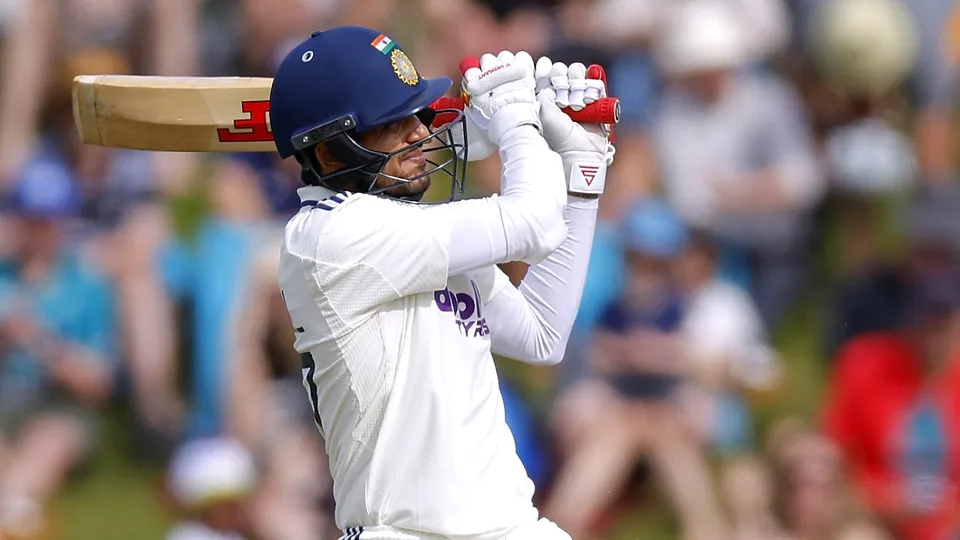
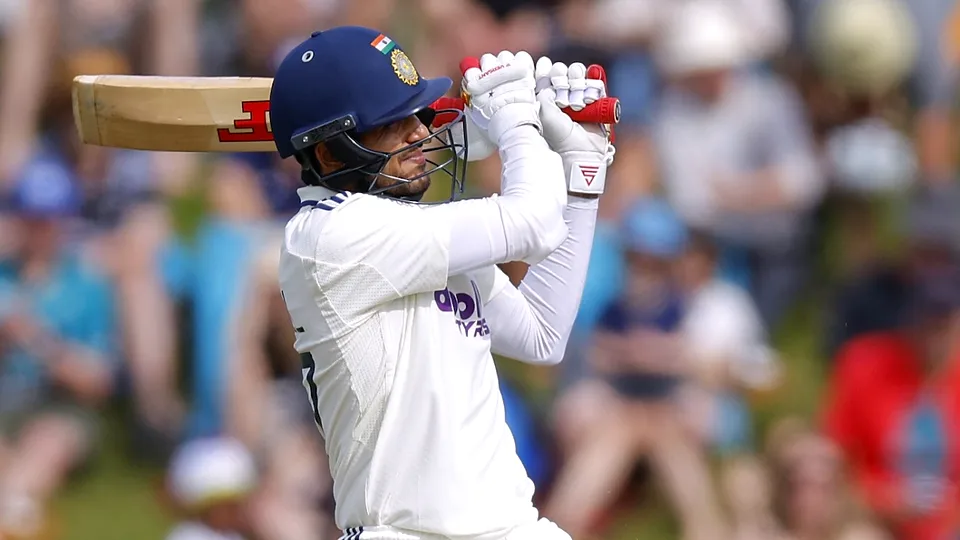
It wasn't magic. It was geometry. India’s top five didn't just bat; they executed a cold-blooded masterclass in volume. KL Rahul reached the century mark with a casual flick off the back foot, treating the 100-run mark less like a milestone and more like a hurdle cleared. Shubman Gill missed his hundred by two runs—a cruel twist, yet he left the crease with a smile that suggested he’d already won the psychological war.
The New-Ball Burst Was Lethal
The early wickets were pure cricket. The new-ball burst did the talking. New Zealand’s openers, accustomed to skiddy hard lengths on green tops, found themselves dealing with balls that stopped dead on the surface. The skiddy ball bounces low. The skiddy ball spins. The skiddy ball takes the bails off. No one in the dugout bought the excuse of bad luck when the boundary-percentage for the top order hovered near 45%.
Why did New Zealand struggle so badly? It’s not just the pitch. It’s the dew factor after 8:30 PM IST. The ball starts to behave differently. The impact player gamble by the Kiwis—sending in a specialist all-rounder—fizzled. They kept swinging at the middle-overs choke, only to find the spinners bowling into the pitch with surgical precision.
Dressing-Room Chatter Tells the Real Story
Walk around the Jaipur stand and you’ll hear the same refrain. The top order didn't need to hit every ball. They needed to absorb. Rahul’s anchor role was textbook. Gill, despite falling short of the hundred, kept the pressure on with those trademark cross-bat pulls. The remaining three—let’s not name names, but we all know who—they chipped in vital 40s. Each top five player scored at least a half-century. That’s not a coincidence. That’s a system working exactly as designed.
Two days to go. New Zealand is cornered. But can they dig out? The dressing-room chatter suggests doubt. They’re playing with their hands tied. India, on the other hand, is playing with the wind at their back. The bowlers, tired from the morning grind, will likely rest. The batsmen, fresh from the first session, will bowl at the death. It’s a simple equation, but New Zealand is currently failing to solve it.
Why the Middle-Overs Choke Keeps Happening
- The Pitch: The red-soil track in Jaipur dries out quickly. By lunch, it’s a sticky mess. Hard lengths die.
- The Bowlers: India’s pace attack changes direction mid-flight. This confuses batters used to a straight flight.
- The Mindset: New Zealand batters play too aggressively early. They force the middle-overs choke by trying to clear the fence when they should be rotating strike.
This isn't just about runs. It’s about control. India has controlled the middle overs for three days straight. New Zealand is reacting, not proactively managing the innings. That’s the difference between a team that wins and a team that survives. Tonight, survival isn't enough.
For those watching at home, the tension is palpable. You see the fans in the stands, some playing their own games of chance on their phones—teen patti gold real cash apps lighting up screens as the odds shift with every wicket. It’s a modern twist on old-school betting. But back in the stadium, the game is still king. The ball is still round. And India is still in command.
“We didn’t just bat well. We made them feel small. That’s what this track demands.” — A senior Indian batsman, post-session
The next morning will be decisive. India will bowler first. New Zealand will bat. Will they break the pattern? I doubt it. The dressing-room chatter says no. The numbers say no. The sticky red-soil track says no. For now, India’s top order has done enough. Now, it’s time to finish the job. And they will. Not because they have to, but because they can’t afford not to. The series is slipping away from the Kiwis. And in Jaipur, you don’t let it go back.
Related coverage
- IPL 2026 Skippers List Out: The UPI Spike & Teen Patti Gold Real Cash Link
- Rahane’s Middle-Order Silence: Ignoring the 15-Over Crisis for Teen Patti Gold Real Cash?

Updated 2026-11-22 · Instant Rupee Deposits & 60s Withdrawals · 24/7 Support.
Access Official NoorFab Portal →Mobile Gaming & UPI Fintech Editor · New Delhi Desk
Vikram Reddy benchmarks mobile sports platforms, Android APK performance, and instant UPI payment rails from New Delhi. He writes NoorFab's weekly verification column on teen patti gold real cash.
Reader Discussion & Match Reactions (4)4.9★ Community (4 Comments)
Verified Indian cricket reader perspectives & tactical debate on noorfab.com
Gill leaving on 98 with a smile? Bold. That psychological edge is worth more than the two runs in fantasy models. KL's casual hundred also suggests high impact score potential despite the sticky conditions.
The dew factor post 8:30 IST completely messed with NZ's plans. Spinners bowling into that humid track while new ball burst killed the openers early. Tactical nightmare.
Proper paisa vasool from Gill bhai even without the century! That smile after missing the hundred? Yaar, cold-blooded masterclass. New Zealand were just sitting in a waiting room.
@Shubham_Rao exactly, that psychological edge matters. Add the 45% boundary percentage from the top order in the article, their impact on match odds is massive regardless of the dew.
Join the Discussion (4 Reader Comments)
Related Articles
See All
'Going to make me better going forward'
Jul 12, 2026
Hurst, Stanley pull strings on Lancashire's Farington bow
Jul 29, 2026
Teen Patti Gold Real Cash: Complete 2026 India Guide, Live Updates & Verified Access
Oct 17, 2026