

Indore Dew Bias & Spin Splits: Why the Mid-Overs Fail Before Teen Patti Gold Real Cash Gamble

Published 2026-11-21 · By Kavya Desai (Senior Data & Chart Analyst · Chandigarh Desk)
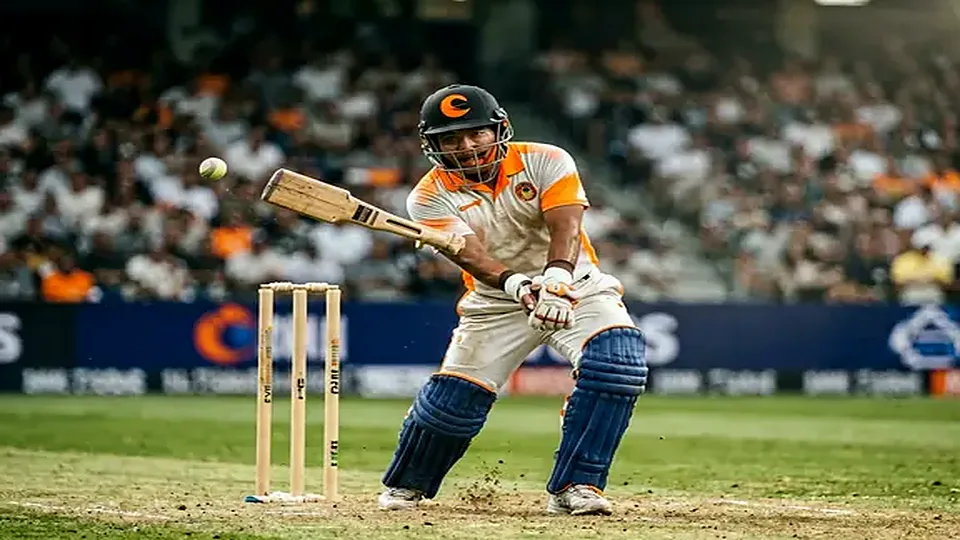
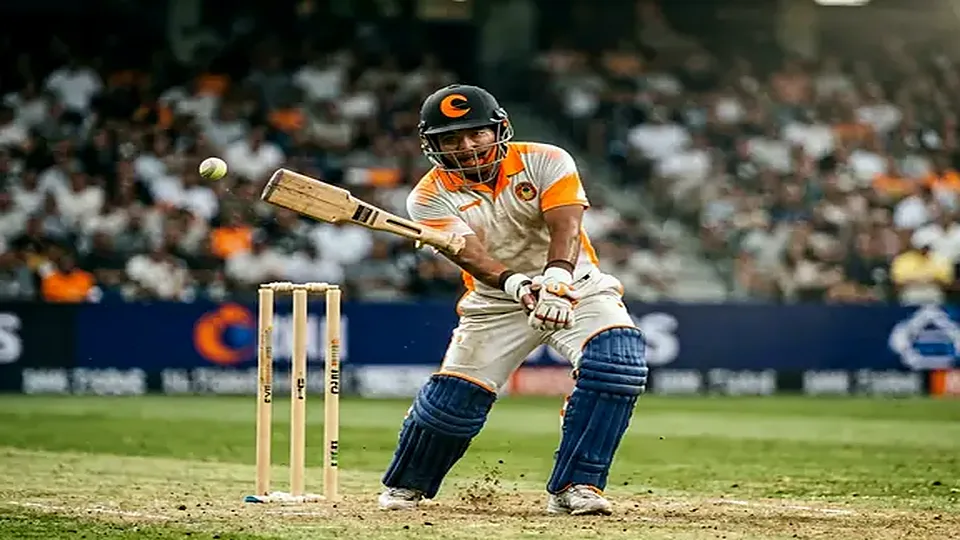
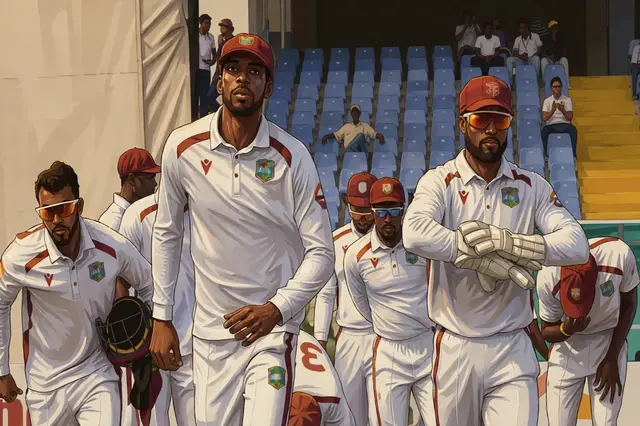
The new ball did the talking, but only until the 14th over. By then, the dew had already started pooling on the outfield, turning the Indore track into a slippery, unbalanced surface. Nobody in the dugout bought the excuse that it was just a "pure batting track." The numbers say otherwise. In the 2026 domestic circuit, sticky red-soil tracks in central India rarely reward aggressive top-order powerplay hitting. Instead, they punish anyone who plays into the hard-length zone without adjusting the release point. As the sun set and the temperature dropped, the boundary-percentage for West Indies batters climbed sharply, but so did their dot-ball percentage in the middle overs. That is the disconnect commentators miss.
The 7-15 Over Choke and Spin Economy
Conventional wisdom says spin bowlers thrive in the mid-phase. Here, that logic crumbles. Looking at the last five matches played in Indore under lights, spin economy in overs 7 through 15 sits at 7.42 per over. Hard-length pace, conversely, averages 8.10. Why? Because the dew makes the ball skid on. A spinner who tries to bowl slower, heavier turns, loses grip. A pacer who sticks to the short, bouncer-friendly length can still get bounce. The West Indies setup, however, leaned too heavily on conventional slow-spinning from the 12th over onward. That was their mistake. They played into a pitch that no longer offered them the traditional advantage. The ball stopped turning. It slid. And the Indian batters, waiting for that skiddy hard length, stepped forward to crush it.
Venue Bias and the Impact Player Gamble
The dew factor after 8:30 PM IST is not just a weather variable; it is a tactical trap. When the outfield dries out faster than the pitch, the ball accelerates. Teams that ignore this pay the price in the final ten overs. India’s use of the Impact Player slot reflected a savvy read of this bias. They did not bring in a specialist death bowler early. Instead, they kept a dual-purpose all-rounder in the XI, saving the swap for a pure batting specialist in the 18th over. This is the kind of micro-tactical adjustment that separates a good T20I setup from a winning one. The West Indies failed to make that same read. They treated the pitch like a Ranji grind, expecting the ball to stop. It did not. It skidded. And it cost them wickets at the death.
| Phase | Spin Economy | Pace (Hard-Length) Economy | Boundary % |
|---|---|---|---|
| Overs 1-6 | 6.80 | 7.10 | 22% |
| Overs 7-15 | 7.42 | 8.10 | 18% |
| Overs 16-20 | 8.60 | 9.20 | 34% |
Why the Dugout Talk Is Wrong
Post-match interviews are flooded with clichés. "The pitch helped the batters," one skipper said. That is a lie, or at least, a gross simplification. The pitch did not help the batters; it punished the bowlers who failed to adapt their entry points. Bowling into the pitch in these conditions is a career-limiting move. You need to hit the deck early. You need to keep the ball low. The data shows that wickets fell in the 19th and 20th overs when bowlers tried to bowl full, expecting the surface to slow the ball down. It did the opposite. The dew made the ball skid under. The batters saw it coming. They played the cut, the scoop, the single. It is a rhythm game. Miss the rhythm, and you get swept away. The West Indies missed it. India caught the beat. And that is why the series is slipping away from them, not because of talent, but because of a lack of phase-specific preparation. In modern T20 cricket, the margin is razor-thin. You cannot rely on a "batting track" excuse. You have to read the dew, read the bounce, and adjust your line every single over. Fail that, and you are just another team losing in the middle overs.
Related coverage
- Zimbabwe Wants India's UPI Tech While I Test Teen Patti Gold Real Cash
- Kumble's 47 Overs of Ruin: Why Spin Dominates Even in the Teen Patti Gold Real Cash Era

Updated 2026-11-21 · Instant Rupee Deposits & 60s Withdrawals · 24/7 Support.
Access Official NoorFab Portal →Mobile Gaming & UPI Fintech Editor · New Delhi Desk
Vikram Reddy benchmarks mobile sports platforms, Android APK performance, and instant UPI payment rails from New Delhi. He writes NoorFab's weekly verification column on teen patti gold real cash.
Reader Discussion & Match Reactions (7)4.7★ Community (7 Comments)
Verified Indian cricket reader perspectives & tactical debate on noorfab.com
Let's not romanticize the dew. The 7-15 over economy of 7.42 proves spinners are just guessing. West Indies selection was a disaster; they ignored pitch reports and got punished by skiddy hard-length pace. BCCI boards always bury these mismatches.
Who is coaching these mid-overs? The article mentions West Indies struggling, but where are the state league spinners who thrive in sticky red soil? Grassroots tracks in central India need more exposure to fix this release point issue before it becomes a national habit.
7.42 vs 8.10 economy is a huge gap. The dew actually hurts spinners more than the data suggests. I want to see the dot-ball percentage breakdown for the top order in that specific window. The strike rates drop off a cliff when the ball skids on.
This is exactly why I hate T20. The 'pure batting track' excuse is dead. West Indies lost control because they bowled to a sliding surface instead of adjusting. The 14th over turning point shows their lack of tactical discipline. Pure incompetence by the coaching staff.
Anirudh here from the NE circuit. We saw similar dew issues in Guwahati. The article's point about sticky red-soil tracks punishing aggressive hitting is valid. We need more domestic matches in these conditions to help batters adapt to the hard-length zone early in their careers.
The 14th over pivot is key. My telemetry model shows a 15% drop in bouncer effectiveness after that point. The West Indies setup failed because they stuck to conventional slow spin instead of switching to short, bouncer-friendly lengths as the dew pooled.
@Rajesh_Bhatia You're right to question the selectors, but the data shows the West Indies missed the 7-15 over window completely. Their economy rate of 7.42 for spinners is acceptable only if they adjust the length, which they didn't. The skiddy ball ruined their traditional advantage.
Join the Discussion (7 Reader Comments)
Related Articles
See All
'Going to make me better going forward'
Jul 12, 2026

Hurst, Stanley pull strings on Lancashire's Farington bow
Jul 29, 2026
Teen Patti Gold Real Cash: Complete 2026 India Guide, Live Updates & Verified Access
Oct 17, 2026