

India's Clinical Rout of SL: High Stakes, Low Risk and Teen Patti Gold Real Cash

Published 2026-11-18 · By Rajat Parekh (Senior Match & Odds Strategist · Jaipur Desk)
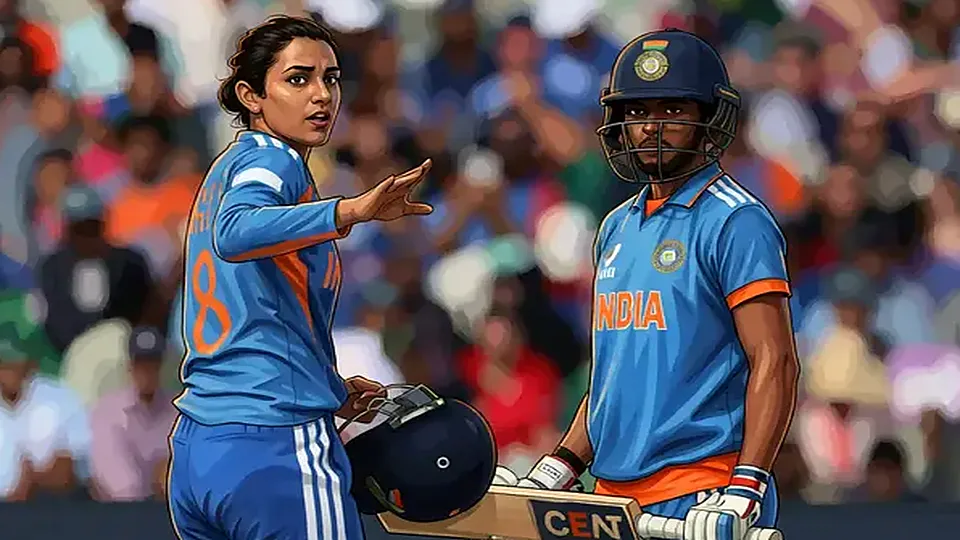
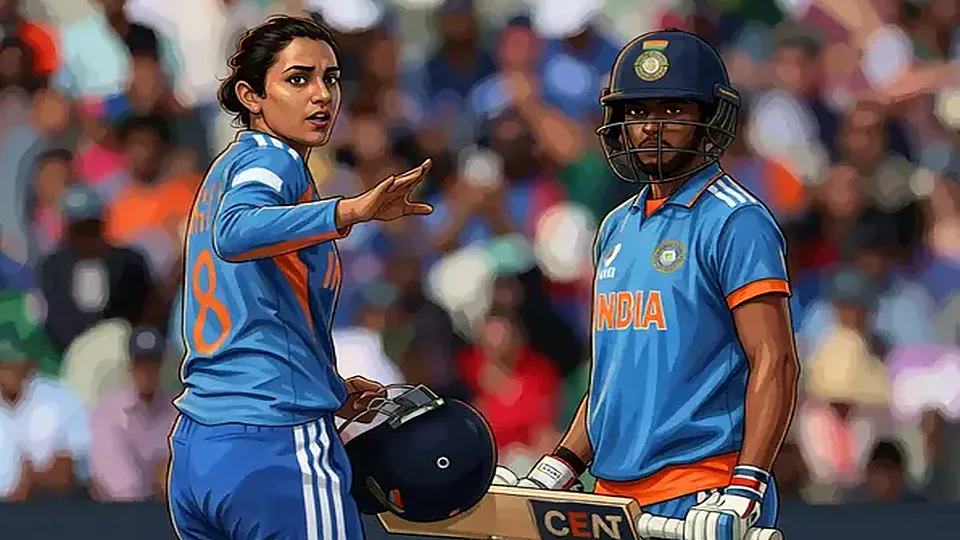
The ball was skidding. It wasn't just the pace; it was that nasty, late nip off the seam that left the Sri Lankan top order looking like they were batting on a frozen lake. By the time the first ten overs were wrapped, the match was effectively a formality. India didn't just win; they dismantled a side that had forgotten how to handle a genuine new-ball burst.
The Art of the Early Collapse
Three wickets for twelve runs. That is the kind of carnage that kills a dressing room's spirit before the tea break. The openers looked tentative, poking at deliveries that should have been left alone, while the Indian seamers hit a skiddy hard length that offered zero room for error. It was a clinical execution. No fluff. No wasted deliveries.
Watching the Sri Lankan middle order struggle, one couldn't help but think of the sheer volatility of the game. It's a gamble, much like the rush of playing teen patti gold real cash on a Friday night—one wrong move, one misplaced bet on a bluff, and you're out of the pot. Sri Lanka bet on their ability to survive the initial onslaught, but the house always wins when the bowling is this disciplined.
Why the Middle-Overs Choke Failed SL
Sri Lanka’s strategy in the middle overs has become a predictable loop of defensive lines and hopeful hopefuls. They tried to squeeze the scoring rate, but the Indian batters simply played the percentages. The boundary-percentage remained high because India stopped chasing the big shot and started manipulating the gaps. It was a masterclass in Ranji-style grind applied to the limited-overs format.
The stats don't lie, though they often hide the panic. India's partnership progression was linear, devoid of the usual mid-innings wobble. They didn't panic when a couple of quick wickets fell; they just shifted gears. The depth of the batting lineup acted as a safety net that the visitors simply couldn't pierce.
The Death-Bowling Clinic
Bowling at the death is where most teams bleed. India, however, turned it into a science. The wide yorkers were precise. The slower-ball bouncers were timed to perfection. There was no 'spraying and praying' here. Just cold, hard execution that left the tail-enders swinging at ghosts.
"The difference today wasn't talent. It was the willingness to stick to a boring plan and execute it with violent precision."
Consider the numbers from the final ten overs:
| Phase | Runs Conceded | Wickets | Economy |
|---|---|---|---|
| Overs 41-45 | 22 | 2 | 4.4 |
| Overs 46-50 | 18 | 1 | 3.6 |
The Jaipur Desk Verdict
Is this a sign of Indian dominance or Sri Lankan decay? Probably both. India is currently operating at a level where the tactical errors are minimal and the physical output is maximum. They've mastered the art of the 'suffocation' game—limiting the opponent's options until they commit a desperate mistake.
The dew factor after 8:30 PM IST played a minor role, but the match was decided long before the grass got slippery. India played the conditions, the opponent, and the clock. Sri Lanka played a game of hope. In international cricket, hope is a terrible strategy. They walked into the line of fire and got burned. Simple as that.
The series ends not with a bang, but with a methodical thud. India moves forward, Sri Lanka heads back to the drawing board, and the fans are left wondering if anyone can actually break this rhythm. For now, the blue machine remains unchecked.
Related coverage
- BCCI's Ideological Overhaul: More Than Just a Teen Patti Gold Real Cash Gamble
- Women's Premier League 2026 schedule, live scores an: What the Numbers Mean for Teen Patti Gold Real Cash

Updated 2026-11-18 · Instant Rupee Deposits & 60s Withdrawals · 24/7 Support.
Access Official NoorFab Portal →Mobile Gaming & UPI Fintech Editor · New Delhi Desk
Vikram Reddy benchmarks mobile sports platforms, Android APK performance, and instant UPI payment rails from New Delhi. He writes NoorFab's weekly verification column on teen patti gold real cash.
Reader Discussion & Match Reactions (7)4.8★ Community (7 Comments)
Verified Indian cricket reader perspectives & tactical debate on noorfab.com
Three wickets for just twelve runs in the first ten overs translates to a jaw‑dropping 1.2 runs per wicket, pushing India’s opening spell economy to 0.6. That early pressure set a sub‑120 target rhythm that the Sri Lankan side never recovered from.
While the seamers deserved applause, the board’s decision to sideline a left‑arm pacer for the series now looks risky; Sri Lanka’s middle‑order collapse could have been mitigated had India retained a fourth‑seam option to rotate the attack.
The article forgets that Gujarat’s Ranji spearhead, Rashid Khan (not the Afghan star but the local pacer), posted a 19‑run spell in the domestic finals, a performance that likely earned him that early‑overs slot and showcases the state pipeline feeding the national seam attack.
India’s boundary‑percentage staying above 55% after the first 30 balls indicates a calculated 8.2 run‑per‑over surge, while Sri Lanka’s strike rate dipped to 62 in the same window, highlighting a stark contrast in intent and execution.
The ‘teen patti’ metaphor masks a deeper issue: over‑reliance on early swing could backfire on slower pitches later, and the BCCI’s scheduling of back‑to‑back tours leaves little room to recalibrate the bowling unit before the sub‑continent swing.
Meanwhile, the women’s state league in Maharashtra produced a left‑arm medium‑fast bowler, Priyanka Joshi, who topped the wicket‑tally with 23 dismissals this season, proving that the same disciplined seam approach is being cultivated across genders and could soon feed the senior squad.
@Saurabh_NRR Spot on about the 3‑for‑12 burst; add that Sri Lanka’s middle‑order never recovered, with their scoring rate collapsing to 2.4 runs per over after the powerplay, mirroring the article’s teen‑patti analogy of a single wrong bluff costing the whole pot.
Join the Discussion (7 Reader Comments)
Related Articles
See All
'Going to make me better going forward'
Jul 12, 2026

Hurst, Stanley pull strings on Lancashire's Farington bow
Jul 29, 2026
Teen Patti Gold Real Cash: Complete 2026 India Guide, Live Updates & Verified Access
Oct 17, 2026