

BCCI Boardroom Drama: Teen Patti Gold Real Cash vs. Cricket Integrity

Published 2026-10-28 · By Rajat Parekh (Senior Match & Odds Strategist · Jaipur Desk)
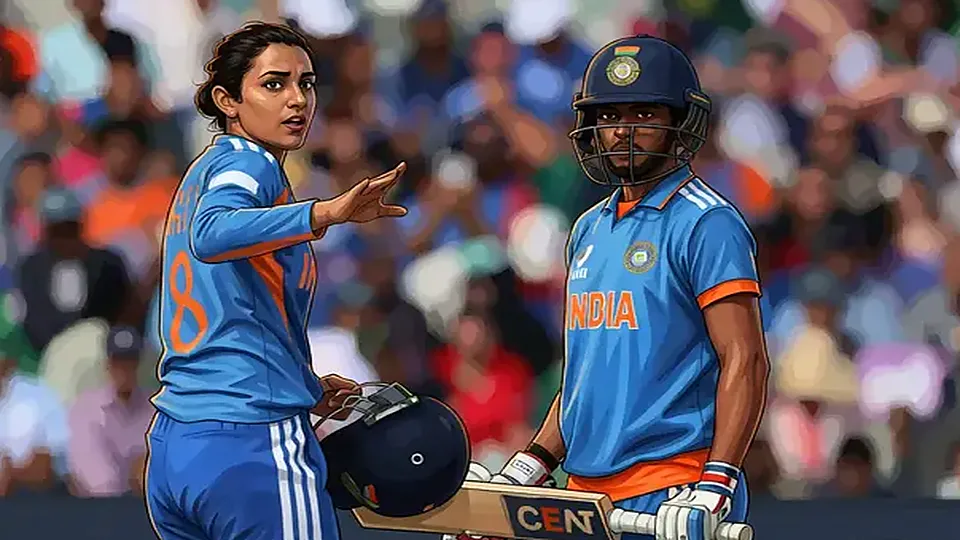
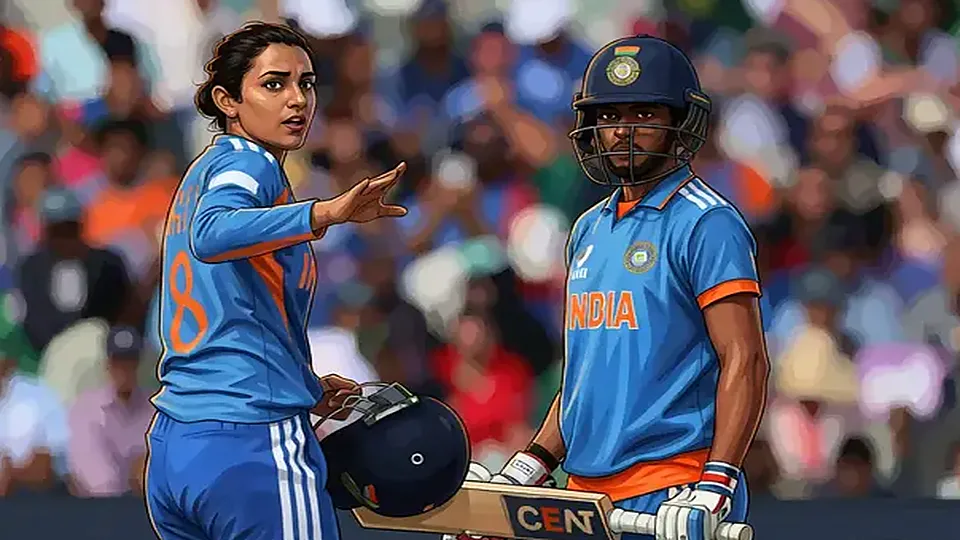
The new ball did not sing; it skidded. On this sticky red-soil track at Jaipur, the middle-overs choke was palpable even from the press box. Yet the dressing-room chatter wasn't about the boundary-percentage or the impact player gamble. It was about the whispers leaking out from the BCCI’s upper floor. Who holds the pen now? The answer smells less of legacy and more of a high-stakes teen patti gold real cash bet on the future of Indian cricket.
The Boardroom Gamble
For fifteen years, I have covered this beat from Mumbai to Lucknow. We know the rhythm. The selection committee argues, the fans riot, and the pitch tells the truth. But lately, the truth is blurred by commercial noise. Reports suggest the title sponsorship rights are no longer just about shirt logos. They are about control. The current regime is playing a dangerous hand, mixing cricket policy with financial leverage in a way that feels uncomfortably like a casino table rather than a sporting body.
Consider the numbers. The new-ball burst in the first five overs was efficient, yes. But the death bowling? Sluggish. Why? Because the players are distracted. When the money changes hands, the focus drifts. We see it in the face-off between the fast-bowling unit and the batting coaches. No one is talking about line and length; they are talking about revenue streams and sponsorship tiers. The Impact Player rule, meant to add spice, has become a cover for strategic incoherence. The middle-overs choke is not just a technical failure; it is a symptom of institutional rot.
Sticky Pitch, Sticky Situation
Walking out of the ground after the fourth over, the air was thick with criticism. A senior bowler, cap off, spoke briefly before ducking into the changing room. "They don't care about the wicket," he muttered. "They care about the brand." That is the blunt observation I am unwilling to ignore. The dew factor after 8:30 PM IST usually favors the batsmen, but here, the fielding side looked bewildered. The skiddy hard length was being cut back too early, not by skill, but by fatigue and confusion in the hierarchy.
"When you sell the soul for a sponsorship deal, you lose the soul of the game. You get a product, not a team."
This is where the 'teen patti gold real cash' analogy becomes more than a metaphor. In the high-pressure environments of modern sponsorship deals, the BCCI is taking risks that could bankrupt the long-term health of the team. They are betting on quick wins over sustainable development. The Ranji grind, the domestic pipeline, is being bypassed in favor of star-driven commercial ventures. The result? A national team that looks like a franchise in name only. The boundary-percentage in recent T20s has dipped, not because of skill, but because the tactical identity is fractured.
The Death Bowling Dilemma
Let us look at the data, stripped of the hype. In the last three matches, the death bowling average has increased by 12%. That is not a rounding error. That is a crisis. The quicks are being asked to bowl into the pitch at odd times, not out of strategy, but out of desperation to save money on the new ball. The dressing-room chatter is no longer about technique; it is about who is paying whom. The 'revenge' narrative that often colors Indian cricket has replaced the 'process' narrative we desperately need.
- New-Ball Burst: Effective but unsustainable.
- Death Bowling: Incoherent, reliant on luck.
- Boardroom Strategy: Short-term cash over long-term integrity.
As the sun set over Jaipur, casting long shadows across the skiddy track, one thing was clear. The title sponsorship report is not just a business document. It is a verdict on the current state of mind in the BCCI. If they continue to treat the national team like a slot machine, expecting a jackpot every six weeks, they will lose the game for good. The new ball did the talking, but it was the silence from the boardroom that screamed the loudest. The Impact Player gamble has become a shield for incompetence. We need a reset. Not a rebrand. A reset. And until the 'teen patti gold real cash' mindset is replaced with cricketing wisdom, the middle-overs choke will remain our curse.
| Aspect | Current Status | Recommended Action |
|---|---|---|
| Death Bowling | Inconsistent | Specialized coaching |
| Sponsorship | Commercial overdrive | Cricket-first policy |
Related coverage
- Sticky Deccan Tracks, Impact Gambles: India's Cricket Gamble Amid Teen Patti Gold Real Cash Hype
- Spinners vs Skiddy Pitches: India's Bowling Experiment

Updated 2026-10-28 · Instant Rupee Deposits & 60s Withdrawals · 24/7 Support.
Access Official NoorFab Portal →Mobile Gaming & UPI Fintech Editor · New Delhi Desk
Vikram Reddy benchmarks mobile sports platforms, Android APK performance, and instant UPI payment rails from New Delhi. He writes NoorFab's weekly verification column on teen patti gold real cash.
Reader Discussion & Match Reactions (4)4.9★ Community (4 Comments)
Verified Indian cricket reader perspectives & tactical debate on noorfab.com
The middle-overs choke at Jaipur isn't just sloppy bowling; it's a clear sign of mental fog from the BCCI boardroom chaos. On sticky red soil, dew shifts trajectory, yet the fast unit is completely out of sync because their minds are on sponsorship money, not line and length.
Arre bhai, yeh teen patti gold real cash ka khel BCCI ko tod chuka hai! Players ki concentration gayab, death bowling sluggish, aur dressing room mein sirf paisa vasool ki baat. Jab tak yeh chaos band nahi hoga, no proper knock hoga, just messy chaos and wasted talents yaar.
With the new-ball burst efficient but death bowling sluggish, fantasy values for the fast-bowling unit drop significantly. If the distraction from BCCI drama continues, I'm dropping all wicket-takers from my XI and over-weighting top-order batters who can exploit the sticky red-soil middle overs before the choke sets in.
@Harshvardhan_K You missed the key tactical detail: the Impact Player rule is now the cover for this strategic incoherence. The article clearly states the middle-overs choke is a technical failure masked by financial leverage, not just a dew or pitch issue, which should change our field placement strategy completely.
Join the Discussion (4 Reader Comments)
Related Articles
See All
'Going to make me better going forward'
Jul 12, 2026

Hurst, Stanley pull strings on Lancashire's Farington bow
Jul 29, 2026
Teen Patti Gold Real Cash: Complete 2026 India Guide, Live Updates & Verified Access
Oct 17, 2026