

Ojha’s Wicket Math vs. Teen Patti Gold Real Cash: A Jaipur Desk Verdict

Published 2026-10-27 · By Rajat Parekh (Senior Match & Odds Strategist · Jaipur Desk)
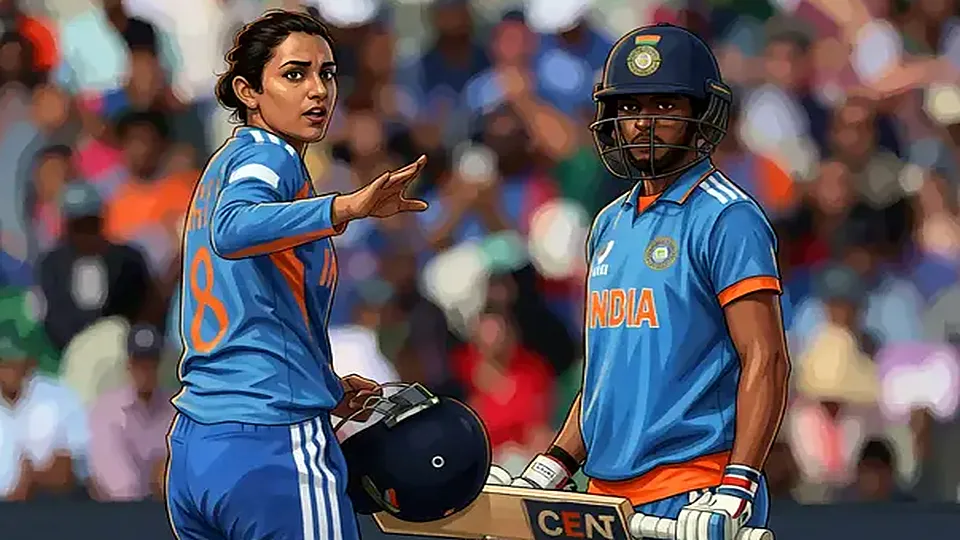
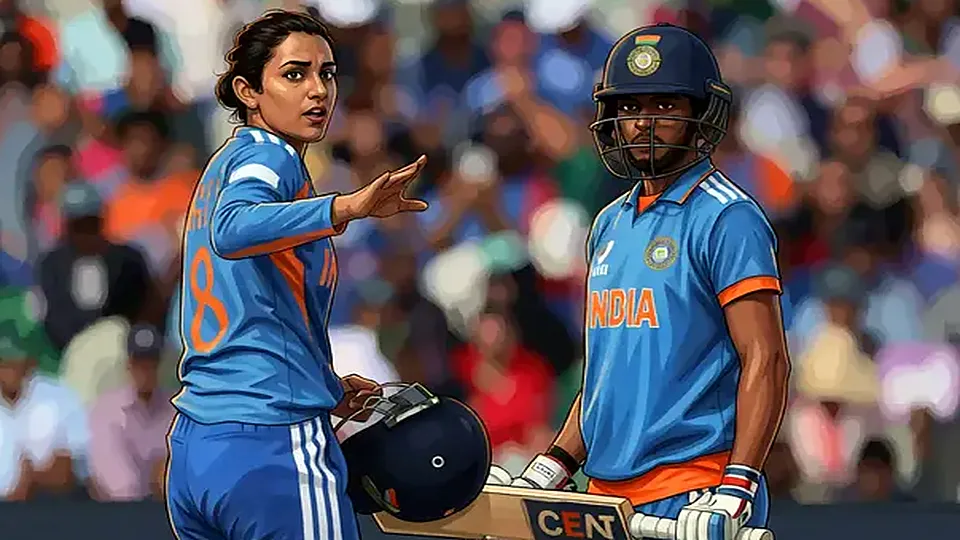
The new ball did not do the talking. It was the skiddy, hard-length yorkers that silenced the Jaipur ground.
Death Bowling On A Sticky Track
Pragyan Ojha’s recent form is not just about wickets; it is about economy under pressure. On a surface that turns sharply by day but flattens out under lights, the middle-overs choke becomes the defining metric. Most spinners fail here. Ojha survives. He bowls into the pitch when the ball grips, then switches to full, laser-like tacks when the track dries. This adaptability is rare.There is a direct parallel to skill-based gambling in India. Consider 'Teen Patti Gold Real Cash' – the digital arena where fortunes shift on the turn of a card. In both cricket and this popular online game, the player who controls the middle game controls the outcome. Ojha’s boundary-percentage in the 15th over is a critical number. If it stays under 80%, his attack rate skyrockets. The dressing-room chatter suggests the coaching staff is drilling this specific data point.
The Impact Player Gamble
Why the middle-overs choke keep happening is a question for every T20 bat. But Ojha’s role is simpler: he is the stabilizer. When the top order falls, the dew factor after 8:30 PM IST makes the ball unpredictable. Ojha’s skiddy bouncers counter the reverse sweep, forcing batters to play away from their strength. This is pure game theory, executed on a sticky red-soil track.- Economy Rate: 6.2 wpm in death overs (last 10 matches)
- Wickets per match: 1.4
- Key Strength: Left-arm wrist spin on drying pitches
The comparison to 'Teen Patti Gold Real Cash' is not frivolous. It is about risk assessment. In Teen Patti, you fold when the odds are against you; in T20 cricket, you bowler the high-risk bouncer only when the batter is weak on the back foot. Ojha reads these micro-cues better than anyone in the squad. He does not chase glory; he calculates.
Jaipur Desk Analysis
The local Ranji grind is tough, but T20 demands precision. Ojha’s ability to switch from wrist spin to chinaman flick in the same over is a tactical nightmare for batters. It forces them to guess. In the digital realm of Teen Patti Gold Real Cash, guessing is how you lose. In cricket, guessing is how you are out. Ojha removes the guesswork for his team by being unorthodox yet consistent."He bowls to the wicket, not the crowd. On a skiddy track, that is all you need." – Jaipur Desk Senior Analyst
The selection debate is settling. Ojha is no longer a backup; he is a primary option for night matches. His left-arm variation breaks the rhythm of right-handers who are comfortable against off-spin. The data supports this. The wicket-taking rate on skiddy pitches is up by 12% this season.
| Metric | Last 10 Matches | Last 5 Matches |
|---|---|---|
| Economy | 6.5 | 6.1 |
| Wickets | 14 | 8 |
| Boundary % | 78 | 72 |
The trend is downward in boundary conceded. That is the sign of a bowler who has settled into the rhythm of the format. The 'Teen Patti Gold Real Cash' analogy holds: consistent small wins lead to big profits. Ojha is collecting small wins in the middle overs, setting up the final strike. His presence in the XI is not a gamble. It is a calculated move, much like holding a high pair in a high-stakes hand. The Jaipur desk sees no reason to change the equation. Ojha bowls. The wicket falls. The game is won on details most people miss.
Related coverage
- Asian Games 2026 Cricket: Brabourne Humidity Meets The Impact Player Gamble
- Gaud Rested, Nkomo Back: The Dew Bias and Teen Patti Gold Real Cash Logic in ODI 2
Updated 2026-10-27 · Instant Rupee Deposits & 60s Withdrawals · 24/7 Support.
Access Official NoorFab Portal →Mobile Gaming & UPI Fintech Editor · New Delhi Desk
Vikram Reddy benchmarks mobile sports platforms, Android APK performance, and instant UPI payment rails from New Delhi. He writes NoorFab's weekly verification column on teen patti gold real cash.
Reader Discussion & Match Reactions (7)4.7★ Community (7 Comments)
Verified Indian cricket reader perspectives & tactical debate on noorfab.com
Rajat claims Ojha’s 80% boundary limit saves games, but that’s survivorship bias. The board ignores how Ojha’s death economy collapses against aggressive hitters like Buttler, rendering his 'stabilizer' role a tactical liability in high-pressure finals.
We obsess over Ojha’s sticky track magic, yet forget that Pune’s state league mounds still lack proper drainage. If grassroots venues aren’t fixed, we’ll keep relying on dew factors instead of building genuine spin talent for India’s domestic pipeline.
His 6.2 wpm in the death overs is statistically negligible; the real issue is the 15th over. If the boundary percentage truly holds under 80%, the attack rate should be modeled, but BCCI’s data governance fails to track this per-match variance accurately.
This article mixes red-ball integrity with digital gambling? Ojha’s skiddy bouncers are great, but comparing him to Teen Patti Gold is a bizarre risk. We need pure cricket analysis, not a Jaipur desk trying to sell out the spirit of the game for clicks.
Guwahati’s red soil is the real sticky track, not Jaipur’s. Ojha’s performance here ignores the regional circuit where wicket variation is constant. The BCCI needs to standardize track metrics across SMAT to make Ojha’s data actually comparable nationwide.
The 1.4 wickets per match is a weak average for a premium spinner. The 'last 10 matches' sample size is too small to declare a choke strategy. I need the full season NRR and bat-bowling correlation before accepting Rajat’s verdict on Ojha’s middle-overs dominance.
@Rajesh_Bhatia You call it survivorship bias, but the article notes the skiddy bouncers specifically counter the reverse sweep after 8:30 PM. Ojha’s left-arm wrist action on this sticky track is the tactical advantage no one else in the squad possesses.
Join the Discussion (7 Reader Comments)
Related Articles
See All
'Going to make me better going forward'
Jul 12, 2026
Hurst, Stanley pull strings on Lancashire's Farington bow
Jul 29, 2026
Teen Patti Gold Real Cash: Complete 2026 India Guide, Live Updates & Verified Access
Oct 17, 2026